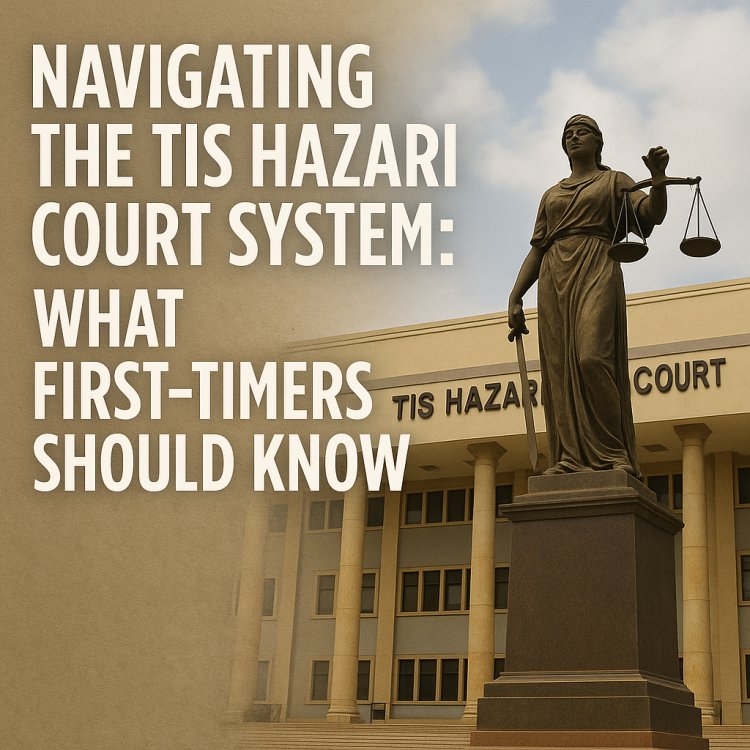
Navigating the Tis Hazari Court System
A quick guide for first-timers on navigating Tis Hazari Court—procedures, tips, and what to expect to make your visit less stressful and more informed.
Need an Advocate in Delhi?
Get connected for legal assistance regarding your matter.
Speak with an Advocate • Multiple Languages Supported
Visiting a courtroom for the first time—especially one as busy and complex as the Tis Hazari Courts Complex in Delhi—can feel overwhelming. Whether you're attending a hearing, filing a case, or simply supporting a loved one, understanding how the system works can help ease the anxiety and make your experience smoother.
Tis Hazari is one of Delhi’s oldest and largest district court complexes. Built in the 1950s, it houses multiple courtrooms across several blocks and serves as a key node in the judicial structure of the National Capital Territory (NCT) of Delhi. If you’re new to the environment, here’s a practical guide to help you navigate your way through.
1. Know the Layout Before You Go
Tis Hazari Court is spread over a vast campus near Old Delhi. The complex includes:
-
Civil courts
-
Criminal courts
-
Family courts
-
Bar association offices
-
Courtrooms for judges from different jurisdictions (North and Central Delhi)
Each block has specific courtrooms assigned, so it’s crucial to know exactly which courtroom or department you need to visit. You can usually find this information on:
-
Your court summons or notice
-
The Delhi District Courts website (http://www.delhidistrictcourts.nic.in)
-
Information counters inside the court
Tip: Arrive early. Finding the correct room can take time, especially during peak hours when corridors are crowded.
2. Entry Procedures and Security Checks
All visitors must go through a security check at the entrance. Carry a valid photo ID (like an Aadhaar card or driver's license), especially if you're attending a hearing or meeting with a lawyer. Security personnel may ask you to state your reason for visiting.
Prohibited items: Avoid carrying sharp objects, metal tools, or electronic devices that are not essential. Photography inside the court premises is strictly prohibited unless authorized.
3. Dress and Behavior Matter
Tis Hazari may not have a formal dress code for visitors, but dressing conservatively and respectfully is recommended. For those involved in proceedings (litigants or parties), avoid casual wear like shorts, flip-flops, or flashy attire.
Inside courtrooms:
-
Silence your phone
-
Stand when the judge enters or exits
-
Speak only when addressed
-
Always refer to the judge as "Your Honor" or "Sir/Madam"
Respecting the court’s decorum ensures smoother proceedings and reflects positively on your case or involvement.
4. Understanding Case Listings (Cause Lists)
Before the court opens, each day’s case schedule—called the cause list—is posted on bulletin boards and also published online. It lists:
-
The case number
-
The names of the parties
-
Advocate names
-
The time and courtroom number
Pro tip: Print or screenshot your listing before arriving. It helps you keep track without depending on uncertain Wi-Fi or mobile data access.
5. Finding and Hiring an Advocate
If you’re attending for the first time without representation, the Tis Hazari Bar Association can be a helpful resource. You’ll find many advocates and clerks available, though choosing the right one takes due diligence.
Things to consider:
-
Experience in your case type (civil, criminal, matrimonial, etc.)
-
Clear communication and transparency about fees
-
Whether they are listed on the official advocate roll of the Delhi Bar Council
You can also find advocate directories online or consult referrals from past clients.
6. Documents You May Need
Depending on your purpose for visiting, bring:
-
Copies of your court notice or summons
-
Identity proof
-
Any evidence, photographs, contracts, or affidavits relevant to your case
-
If filing a case, make sure to have multiple copies (some notarized) as per court requirements
Keep everything in a well-organized folder. Disorganized documents can delay your matter or frustrate court staff.
7. Important Support Services On-Site
Within the court complex, you’ll find:
-
Stamp vendors and notaries for affidavits and court fees
-
Photocopy shops for last-minute copies
-
Food stalls and canteens for long days
-
Legal aid clinics for those who qualify for free legal help
There are also public toilets and waiting rooms, although these may not always be well-maintained, so plan accordingly.
8. Dealing With Delays and Adjournments
Don’t be surprised if your matter is adjourned (postponed). It’s common in district courts due to a high volume of cases. Reasons include:
-
Judge absence
-
Non-appearance of the opposing party
-
Lack of documentation
Patience and persistence are key. Maintain regular contact with your lawyer, and keep checking the status of your case online using your case number.
9. Stay Informed Digitally
You can track your case and receive updates through:
-
The eCourts Services app
-
SMS notifications (if registered)