Legal Services: Advocate on record supreme court

What is an Advocate on Record Supreme Court?
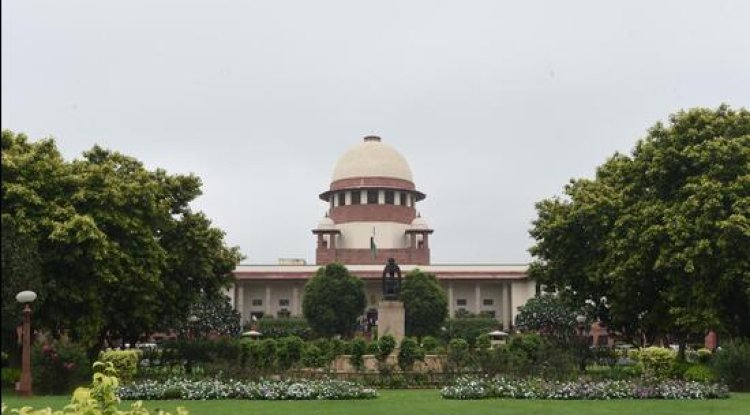
An Advocate on record supreme court is a distinct category of legal practitioner who holds the exclusive, legally mandated authority to file cases, submit applications, deposit fees, and represent parties directly before the Supreme Court of India.
While any qualified lawyer enrolled with a State Bar Council can argue a case anywhere in India, the Supreme Court operates under its own strict rules. Under Chapter IV of the Supreme Court Rules, 2013 (enacted under the powers granted by Article 145(1) of the Constitution of India), no advocate other than an Advocate on Record is permitted to file a Vakalatnama (the document appointing a lawyer to act on behalf of a client) or enter an appearance for a party in the Supreme Court.
In simpler terms: an ordinary advocate—regardless of their experience, high profile, or success at the High Court level—cannot file a single document in the Supreme Court without an AoR. They can only appear and argue a matter if they are formally instructed by an Advocate on record supreme court.

Why Does the Supreme Court Require an AoR?
The Supreme Court of India is the ultimate custodian of the Constitution and the final court of appeal. Because it deals with matters of national importance, complex constitutional interpretations, and high-stakes litigation, the registry receives thousands of filings daily.
The AoR system acts as a vital quality control mechanism. It ensures that:
-
Procedural Precision: Filings match the strict technical formatting, rules, and limitation periods of the Supreme Court, preventing the registry from being overwhelmed by defective petitions.
-
Accountability: The AoR is personally and professionally liable to the court for the accuracy of the petitions, the payment of court fees, and compliance with all judicial orders.
-
Geographical Accessibility: Every AoR is required to maintain a functional office in Delhi within a specific radius of the Supreme Court building, ensuring the court can serve notices or orders instantly.
The Rigorous Journey: How One Becomes an AoR
The title of an Advocate on record supreme court is not something a lawyer can buy or achieve simply through years of standing. It requires passing one of the toughest examinations conducted by the Indian judiciary.
To qualify and register as an AoR, a lawyer must fulfill the following stringent criteria set by the Supreme Court:
-
Prior Legal Practice: The advocate must be enrolled with a State Bar Council and have completed a minimum of four years of continuous legal practice before they can even begin training.
-
Mandatory Training: Once the initial practice requirement is met, the advocate must undergo one full year of rigorous training under a senior, pre-approved Advocate on Record who has been practicing for at least ten years.
-
The AoR Examination: After completing training, the candidate must sit for a highly competitive, four-paper examination conducted by the Supreme Court itself. The exam tests mastery over four specific pillars:
-
Practice and Procedure of the Supreme Court
-
Drafting of Petitions, Appeals, and Writs
-
Professional Ethics
-
Leading Cases (Landmark judgments that shaped Indian jurisprudence)
-
-
Office and Infrastructure Setup: Upon successfully passing the examination, the advocate must maintain a physical office in Delhi within a 16-kilometer radius of the Supreme Court building and employ a registered Supreme Court clerk within one month of registration.
Core Roles and Responsibilities of an AoR
An Advocate on record supreme court plays a multi-faceted role that combines procedural administration, core drafting, and strategic litigating. Their daily responsibilities include:
1. Exclusive Filing Authority
Only an AoR can sign and submit petitions, Special Leave Petitions (SLPs), writ petitions, review petitions, or interlocutory applications. If a petition does not bear the signature and unique registration code of an AoR, the Supreme Court registry will reject it outright.
2. Legal Link to the Judiciary
The Supreme Court treats the AoR as the primary point of communication. Any notice, order, or summons issued by the court regarding a case is served directly to the AoR's registered office. It is the AoR's responsibility to immediately notify the client and the briefing counsel.
3. Briefing Senior Counsels
In complex cases, litigants often wish to engage a designated "Senior Advocate" (such as a renowned constitutional expert or top-tier arguing counsel) to present their oral arguments before the bench. Under bar regulations, Senior Advocates cannot take cases directly from clients. The Advocate on record supreme court acts as the crucial link, preparing the case strategy, compiling the paper book, and briefing the Senior Advocate on the core facts and legal nuances.
4. Financial and Procedural Liability
The AoR is personally responsible to the court registry for the payment of all official court fees, copying charges, and translation expenses. They ensure that the trial court records from the lower courts are correctly translated into English and certified before submission.
Key Legal Documents Handled by an AoR
When your case moves to the highest court, the paperwork must be flawless. An AoR is trained specifically to draft and perfect critical documents, including:
-
Special Leave Petitions (SLPs) under Article 136: This is the most common route to the Supreme Court, allowing individuals to seek leave to appeal against any judgment or order passed by any court or tribunal in the country. An AoR must certify that the case involves a substantial question of law.
-
Writ Petitions under Article 32: Filed directly in the Supreme Court for the enforcement of Fundamental Rights.
-
Review and Curative Petitions: Filed when a party believes there is a patent error in a judgment already delivered by the Supreme Court.
Summary of Differences: Advocate vs. AoR vs. Senior Advocate
| Feature | Regular Advocate | Advocate on Record (AoR) | Senior Advocate |
| Filing Rights in SC | Cannot file cases | Exclusive right to file cases | Cannot file cases |
| Arguing Rights in SC | Can argue only if instructed by an AoR | Can argue and plead independently | Can argue when instructed by an AoR |
| Office Location | Anywhere in India | Must be within 16 km of the Supreme Court | Anywhere in India |
| Vakalatnama | Cannot accept for Supreme Court | Only professional authorized to accept | Cannot accept directly from clients |
Finding the Right Representation in Delhi
If your legal matter is heading to the Apex Court, early engagement with an Advocate on record supreme court is paramount. Because Supreme Court appeals and SLPs are governed by strict, unforgiving limitation periods (often ranging from 60 to 90 days from the date of the High Court judgment), any delay in drafting or processing can result in your case being dismissed on grounds of limitation before it is even heard on its merits.
When selecting an AoR via specialized legal networks or local firms in Delhi, ensure they have substantive experience in the specific domain of your dispute—whether it involves complex corporate litigation, criminal appeals, matrimonial disputes, or civil property matters. A seasoned AoR ensures that your transition from the High Court to the Supreme Court is smooth, your paperwork is procedurally bulletproof, and your case stands the best possible chance of admission at the very first hearing.
Need Legal Assistance?
Our expert lawyers are here to help. Contact us now for a consultation.
Call Now