The Role of the Supreme Court of India: Key Cases That Shaped Indian Law
Discover how landmark Supreme Court cases shaped Indian law. Learn about key judgments, IPC sections, legal requirements, and expert advocacy in Delhi.
Need an Advocate in Delhi?
Get connected for legal assistance regarding your matter.
Speak with an Advocate • Multiple Languages Supported
Supreme Court of India: Key Cases That Shaped Indian Law
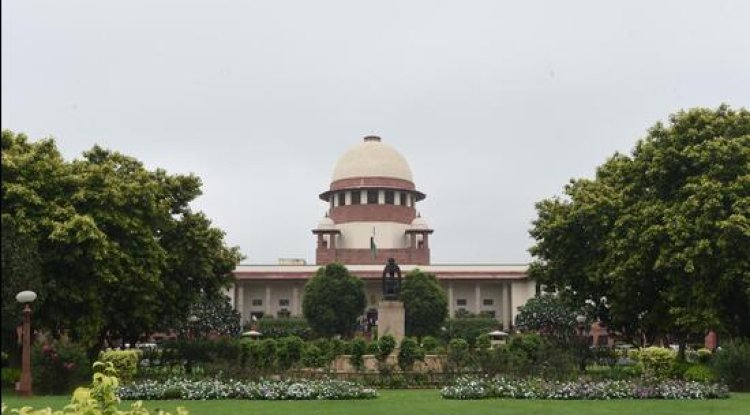
The Supreme Court of India is the highest authority in the judiciary, handling constitutional issues, dispensing justice, protecting fundamental rights, and resolving disputes between individuals, entities, and the government. Over the years, several landmark cases have significantly shaped Indian law. This article explores these cases, the types of cases handled by the Supreme Court, relevant sections of the Indian Penal Code (IPC), required documents, legal expertise, and frequently asked questions (FAQs).
Important Cases That Shaped Indian Law
The Supreme Court has delivered numerous historic judgments that have influenced Indian society and law. Here are some of the most crucial cases:
1. Kesavananda Bharati Case (1973) – Basic Structure Doctrine
-
Parliament cannot amend the basic structure of the Constitution.
-
Strengthened judicial scrutiny and upheld democracy.
2. Maneka Gandhi Case (1978) – Right to Life and Personal Liberty
-
Expanded the definition of Article 21 (Right to Life).
-
Established due process to protect personal liberty.
3. Vishaka v. State of Rajasthan (1997) – Sexual Harassment at Workplace
-
Introduced guidelines for preventing sexual harassment at workplaces.
-
Led to the enactment of the POSH Act, 2013.
4. Shah Bano Case (1985) – Maintenance Rights of Muslim Women
-
Secured the right of Muslim women to maintenance under secular law.
-
Led to the enactment of the Muslim Women (Protection of Rights on Divorce) Act, 1986.
5. Navtej Singh Johar v. Union of India (2018) – Decriminalization of Homosexuality
-
Struck down Section 377 of IPC, decriminalizing homosexuality in India.
6. Triple Talaq Case (2017) – Women’s Rights
-
Declared instant Triple Talaq (Talaq-e-Bid’ah) unconstitutional.
-
Strengthened women’s rights in Muslim personal laws.
7. Right to Privacy Case (2017) – Fundamental Rights
-
Declared Right to Privacy a fundamental right under Article 21.
-
Impacted Aadhaar-related laws and personal data protection policies.
8. Sabarimala Case (2018) – Women’s Entry in Temples
-
Allowed women of all ages to enter the Sabarimala temple.
-
Challenged gender-based discrimination in religious practices.
Types of Cases Heard by the Supreme Court
The Supreme Court of India deals with various types of cases, including:
-
Constitutional Cases – Interpretation of the Constitution.
-
Criminal Cases – Serious offenses like murder, rape, and corruption.
-
Civil Cases – Property disputes, contract issues, and family matters.
-
Appeal Cases – Challenges to High Court decisions.
-
Public Interest Litigations (PILs) – Issues affecting the public at large.
-
Election Disputes – Disqualification of elected representatives.
-
Human Rights Violations – Cases involving fundamental rights.
-
Corporate and Business Laws – Financial fraud, taxation, and mergers.
Relevant Sections of the Indian Penal Code (IPC)
Key sections of the IPC frequently referenced in Supreme Court cases include:
-
Section 302 – Punishment for murder.
-
Section 376 – Punishment for rape.
-
Section 420 – Cheating and fraud.
-
Section 498A – Cruelty by husband or relatives.
-
Section 144 – Unlawful assembly.
-
Section 377 – Decriminalized in 2018 (LGBTQ+ rights case).
-
Section 124A – Sedition laws (pending further review).
Required Documents for Supreme Court Cases
When filing a case in the Supreme Court, the following documents are essential:
-
Petition or Appeal Documents – Special Leave Petition (SLP) or Writ Petition.
-
Affidavit – Sworn statement in support of the petition.
-
Proof of Court Fees – Paid as per Supreme Court rules.
-
Certified Copies of Lower Court Orders – If appealing a High Court decision.
-
Supporting Documents – Agreements, contracts, medical reports, etc.
-
Identity Proof – Aadhaar card, PAN card, or passport.
-
Legal Authorization – Power of attorney (if applicable).
Legal Certification and Expertise Required
To practice in the Supreme Court, an advocate must have:
-
A Law Degree (LLB) from a recognized university.
-
Enrollment with a State Bar Council.
-
Minimum 5 years of practice in High Courts (for Supreme Court appearance).
-
Advocate-on-Record (AOR) certification from the Supreme Court.
FAQs
1. Who can file a case in the Supreme Court of India?
-
Any individual, organization, or government entity can file a case if their fundamental rights are violated or if they wish to appeal a High Court decision.
2. What is the role of an Advocate in Delhi in Supreme Court cases?
-
An experienced Supreme Court lawyer in Delhi can represent clients, draft petitions, and provide expert legal guidance.
3. How long does a Supreme Court case take?
-
It depends on the case type. Some cases are resolved within months, while constitutional matters may take years.
4. What is a Special Leave Petition (SLP)?
-
An SLP is a petition filed to seek permission to appeal against a High Court decision.
5. Can I file a PIL in the Supreme Court?
-
Yes, any citizen can file a Public Interest Litigation (PIL) on matters affecting society.
6. What is the cost of hiring a Supreme Court Advocate in Delhi?
-
Fees vary based on case complexity and the lawyer’s experience.