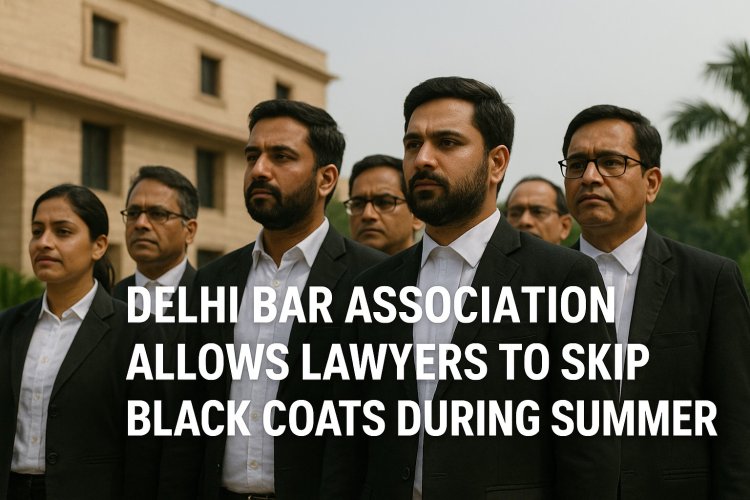
Delhi Bar Association Allows Lawyers to Skip Black Coats During Summer
The Delhi Bar Association announces a summer dress code relaxation, allowing lawyers to avoid wearing black coats amid rising temperatures.
Need an Advocate in Delhi?
Get connected for legal assistance regarding your matter.
Speak with an Advocate • Multiple Languages Supported
A Breath of Relief for Delhi’s Legal Community
With Delhi's scorching heat setting new records every year, the Bar Association has finally made a decision that many lawyers have long hoped for: black coats are now optional during the summer months. The Delhi Bar Association has formally allowed lawyers to ditch the traditional black coat in court during the peak summer season, recognizing the harsh impact of the heatwave on health and comfort.
Why the Change? Understanding the Context
India's capital city regularly faces summer temperatures soaring above 45°C (113°F). The traditional lawyer attire—black coats and gowns layered over formal clothing—is heavy, heat-retentive, and ill-suited for Delhi's sweltering weather. This change is seen as a practical and much-needed step to ensure the well-being of legal professionals.
What Does the New Dress Code Say?
The Bar Association of Delhi has issued a circular stating that:
-
Black coats are not mandatory during summer months, typically from April to July.
-
White shirts and trousers with a neckband are deemed appropriate courtroom attire during this period.
-
The directive applies to district and lower courts in Delhi, and not necessarily to higher judiciary unless similar exemptions are issued.
Legal Tradition vs Practical Needs
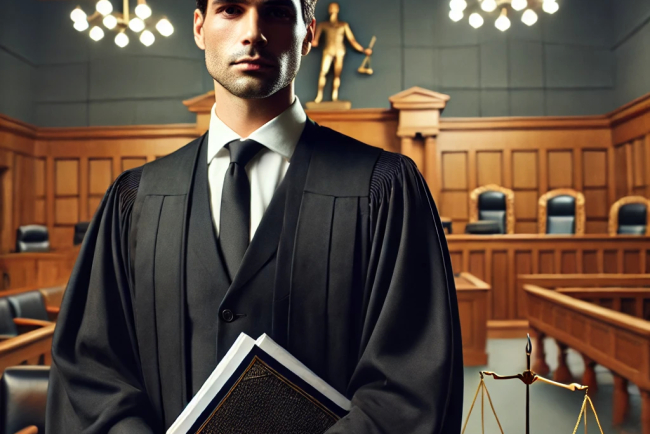
Traditionally, Indian lawyers have followed a British-influenced dress code, with black coats symbolizing discipline and authority. But with climate change and worsening heatwaves, practical considerations are starting to outweigh legacy traditions—at least seasonally.
Health and Productivity at the Core
The primary reason behind the move is health and comfort. Wearing thick black coats in extreme heat can lead to:
-
Heat exhaustion or stroke
-
Dehydration
-
Reduced courtroom efficiency
Lawyers have been increasingly vocal about the need for dress code reform, especially in cities like Delhi, where heat can impact daily functioning.
Who Made the Decision?
The relaxation comes after recommendations by various bar councils and representations by legal bodies. While similar dress code relaxations have been implemented in other Indian states previously, this move by Delhi’s bar body carries significant weight due to the capital's symbolic and political significance.
How Are Lawyers Reacting?
The response has been overwhelmingly positive. Lawyers say the decision reflects practical wisdom, and many are calling for similar policies in other states and higher courts as well. Some senior advocates still prefer to wear the full attire, out of habit or respect for tradition, but most younger professionals welcome the change.
Is This a Permanent Policy?
Currently, the exemption is seasonal. However, if climate conditions continue to worsen, it could lead to permanent reforms or even national-level policy changes concerning the judicial dress code.
What Does the Bar Council of India Say?
The Bar Council of India (BCI) sets the uniform dress code guidelines, but regional bar councils can issue temporary or situational relaxations. So far, BCI has shown flexibility when local conditions demand such measures, especially concerning health and safety.
Dress Code in Higher Courts Still Unchanged
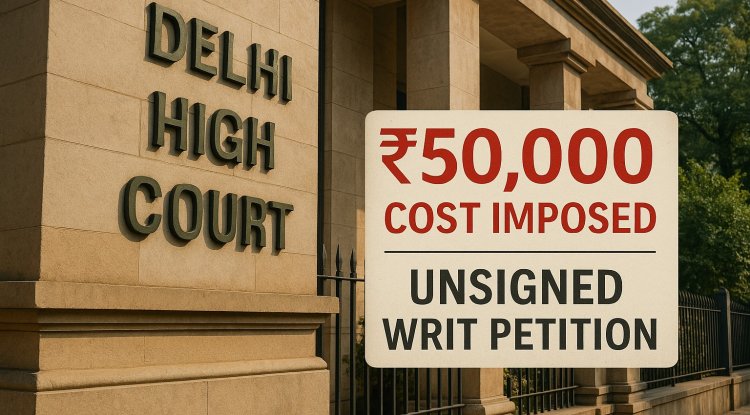
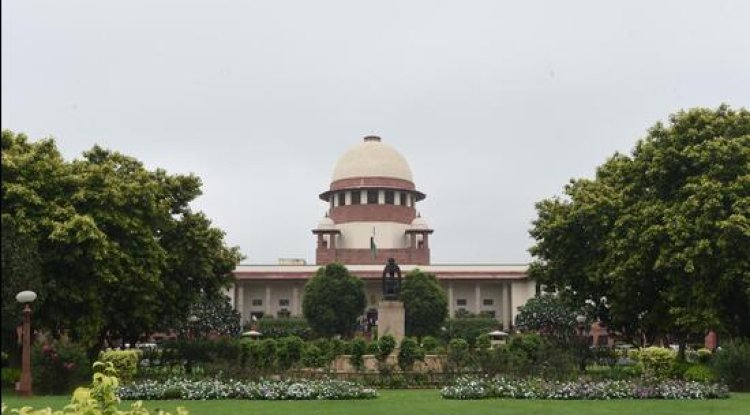
While Delhi’s lower and district courts are covered under the new directive, the Delhi High Court and Supreme Court still require traditional attire unless they too issue updated guidelines. Many legal professionals are hopeful that similar decisions will soon follow in higher courts.
Dress Code Comparison: India vs Other Countries
India is not alone in its rigid dress codes. But many countries have already updated their court attire rules to suit modern times. For instance:
-
UK lawyers now follow a more relaxed courtroom dress code outside of ceremonial occasions.
-
US courts allow state-specific dress codes, often without formal robes or specific coat requirements.
India’s move, even if temporary, reflects a growing global trend toward comfort and climate-appropriate clothing in legal professions.
What Should Lawyers Wear Instead?
With the black coat exemption in place, lawyers are advised to wear:
-
White shirt
-
White or light-colored trousers
-
White neckband (mandatory)
-
Formal shoes
This modified dress still respects the decorum of the courtroom while allowing for heat-friendly comfort.
Conclusion
The Delhi Bar Association’s decision to relax the black coat requirement during summer is a progressive step that balances tradition with practicality. As climate conditions become increasingly extreme, such reforms not only make sense but are essential for the health, efficiency, and sustainability of the legal workforce. The move sets an example for other jurisdictions across India to follow—and might just mark the beginning of broader judicial dress code reforms.
FAQs
Q1. Is it mandatory to wear a black coat in Delhi courts during summer?
No. The Delhi Bar Association has allowed lawyers to appear without black coats during the summer months.
Q2. Does the dress code exemption apply to the Delhi High Court or Supreme Court?
Not yet. The exemption currently applies to district and lower courts in Delhi unless otherwise specified by higher courts.
Q3. What should lawyers wear instead of a black coat during summer?
A white shirt, white or light-colored trousers, formal shoes, and a white neckband are considered appropriate.
Q4. Is this relaxation a permanent change?
As of now, it is a seasonal exemption. However, ongoing discussions may lead to long-term reforms.
Q5. Why is this change important?
It addresses health and comfort concerns amid Delhi’s extreme summer heat, helping improve courtroom productivity and safety.