The Protection of Women from Domestic Violence Act
Learn about the Protection of Women from Domestic Violence Act, 2005 with legal remedies, required documents, IPC sections & expert legal help in Delhi.
Need an Advocate in Delhi?
Get connected for legal assistance regarding your matter.
Speak with an Advocate • Multiple Languages Supported
The Protection of Women from Domestic Violence Act
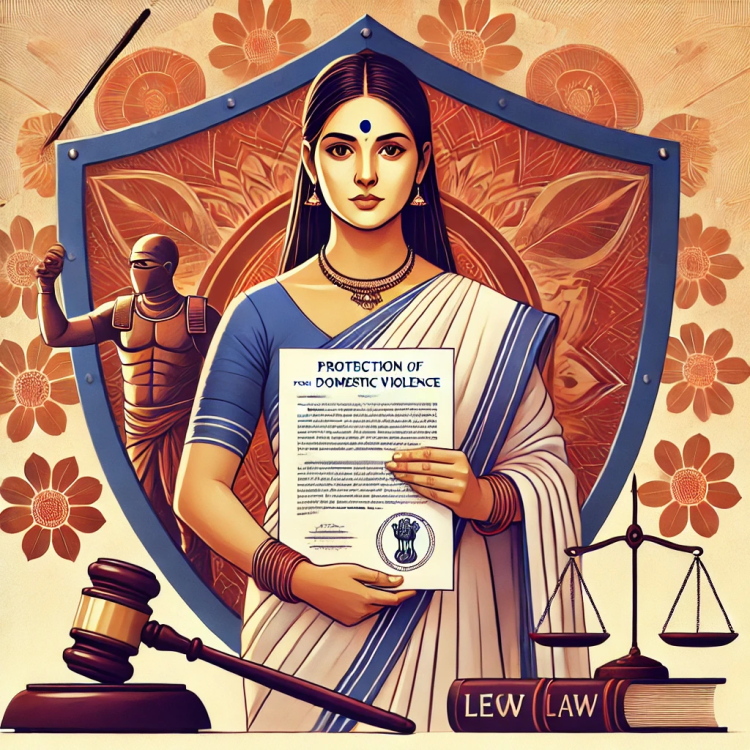
In India, domestic violence is a serious issue that affects countless women from all walks of life and varying socioeconomic statuses. The Protection of Women from Domestic Violence Act, 2005 (PWDVA) was enacted by the Indian government to safeguard the rights of women and to provide them legal protection. Under this Act, the law allows women facing domestic violence to seek legal remedies for their protection by the courts.
What is the Protection of Women from Domestic Violence Act, 2005?
The Protection of Women from Domestic Violence Act, 2005 was enacted to ensure quick legal relief to women subjected to domestic violence. The Act covers many forms of violence: physical, emotional, sexual, verbal, and economic abuse.
Key Features of the Act:
-
Protection Orders – The court has the authority to obstruct further domestic violence.
-
Residence Orders – The victim shall have the right to remain in the shared household despite lack of legal title.
-
Monetary Relief – The court can direct monetary compensation to be paid to the victim by the perpetrator.
-
Custody Orders – The court can grant temporary custody of children to women.
-
Right to File Complaints – A woman may file against any relative, be it husband or in-laws.
-
Legal Aid – The victims of domestic violence will be provided free legal assistance and places of shelter.
Types of Cases Arising Under the Domestic Violence Act
There can be various headings under which domestic violence cases may fall. Some commonly made cases arise under this Act:
-
Physical Abuse – Beating, attacks, or the infliction of bodily harm.
-
Psychological Abuse – Insults, humiliation, threats, and isolation.
-
Sexual Economic Abuse – Withholding financial resources, placing restrictions on employment, or hindering one's access to finances.
-
Dowry Harassment – Demand for any type of dowry may also constitute domestic violence.
-
Desertion – Walking out on the wife with no means of livelihood.
-
Verbal Abuse – A derogatory term that embodies verbal abuse or threats intended to cause harm.
Relevant Sections in the Indian Penal Code (IPC) for Domestic Violence Cases
The Domestic Violence Act provides certain remedies for domestic violence, but there are also various IPC sections applicable in domestic violence cases, such as:
-
Section 498A – Husband or relatives of husband's subjecting a woman to cruelty.
-
Section 304B – Dowry death.
-
Section 323 – Punishment for voluntarily causing hurt.
-
Section 506 – Criminal intimidation.
-
Section 376 – Marital rape (under special circumstances).
-
Section 125 CrPC – Provision for maintenance rights to wife.
A criminal lawyer in Delhi will handle cases using these IPC sections and represent you in court.
Documents Required for Filing a Domestic Violence Case
The following documents are generally required:
-
Identity Proof – Aadhar Card, PAN Card, or any government ID.
-
Marriage Certificate – If applicable.
-
Medical Reports – In cases of physical abuse, the medical examination report assumes importance.
-
Copy of Police Complaint – FIR filed in police station.
-
Statements of Witnesses – Any statements by the neighbours, family, or friends.
-
Bank Statements – Supports proof of economic abuse or financial restrictions.
-
Photographs/Video Evidence – Proofs for any injuries, abuse, or violence.
An experienced civil advocate in Delhi could assist you with completing all the documentation and filing the case correctly.
Legal Qualifications and Expertise Required for Handling Domestic Violence Cases
Successfully handling a domestic violence case demands knowledge in family law, criminal law, and women's rights. For that reason, the advocate in Delhi handling a domestic violence case must possess the following:
-
An LLB Degree attested with registration from any one recognized Bar Council in India (BCI).
-
Specialization in criminal and family laws.
-
Experience in matters relating to Section 498A, 304B, and other IPC-related cases.
-
Familiarity with the Domestic Violence Act and the provisions of legal aid.
-
Ability to provide victims in need with legal aid 24/7.
Frequently Asked Questions (FAQ)
Q1: Who can file a case under the Domestic Violence Act?
A: Any woman who is a victim of domestic violence can file a case against her husband or any male relative.
Q2: What sort of relief can I get under this Act?
A: You can get protection orders, residence rights, financial compensation, and child custody and legal aid.
Q3: Will I have to pay to file a case for domestic violence?
A: No, in many cases, domestic violence victims are eligible for free legal aid.
Q4: Can a woman file a case after separation?
A: Yes, if the domestic violence was while she was a cohabitant with the accused, she has the right to file a case, irrespective of separation.
Q5: What is the time period of the court granting protection orders?
A: In the urgent category, the protection order can be granted by the court within 2 to 3 days.
Q6: What will be the husband's fate in case of disobedience of the court order?
A: The non-compliance may lead to a penalty, a fine, or even imprisonment for the convict.