The Legal System in Delhi Courts Jurisdictions and Legal Processes
The legal system in Delhi, different courts & the legal processes involved. A comprehensive guide to help you navigate Delhi’s judiciary effectively.

Need an Advocate in Delhi?
Get connected for legal assistance regarding your matter.
Speak with an Advocate • Multiple Languages Supported
Overview of the Legal System in Delhi
The legal system in Delhi operates within the framework of the Indian Constitution and the laws enacted by the Parliament and the Delhi Legislative Assembly. It follows a hierarchical structure of courts to ensure proper administration of justice.
Types of Courts in Delhi
1. Delhi High Court
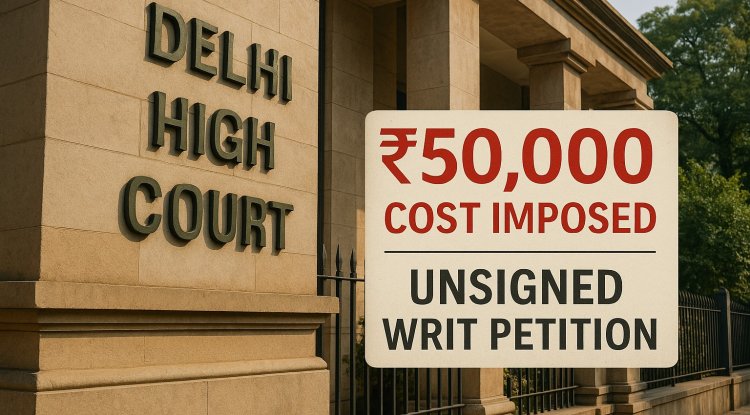
The Delhi High Court is the apex court for the National Capital Territory (NCT) of Delhi. It has the authority to hear both civil and criminal cases and appellate jurisdiction over decisions from lower courts. The High Court also handles writ petitions related to constitutional and fundamental rights issues.
2. District Courts
Delhi is divided into several judicial districts, each having a District Court. These courts primarily handle civil and criminal cases within their territorial jurisdiction. The District Courts are the principal courts of original jurisdiction in the city and also hear appeals from subordinate courts.
3. Subordinate Courts
Subordinate courts in Delhi include Civil Courts, Criminal Courts, and Family Courts. They handle specific types of cases such as matrimonial disputes, small civil claims, and petty criminal offenses.
4. Specialized Courts and Tribunals
Delhi also has various specialized courts like the Consumer Courts, Motor Accident Claims Tribunal, and Labor Courts, which deal with niche matters efficiently.
Jurisdiction of Courts in Delhi
Jurisdiction refers to the authority of a court to hear and decide cases. In Delhi:
-
Territorial Jurisdiction: Each court covers cases arising within a specific geographical area.
-
Subject Matter Jurisdiction: Different courts handle different types of cases (civil, criminal, constitutional, etc.).
-
Pecuniary Jurisdiction: Courts are often categorized based on the monetary value of cases they can handle.
Legal Processes in Delhi
Filing a Case
To initiate a legal proceeding, a plaint (civil case) or complaint (criminal case) is filed in the appropriate court. For filing a case in Delhi High Court, the petitioner usually needs a lawyer due to the complex procedures.
Evidence and Trial
Delhi courts follow the Code of Civil Procedure (CPC) and Code of Criminal Procedure (CrPC) for trial proceedings. Evidence is presented in the form of documents, witness testimony, and expert opinions.
Appeals
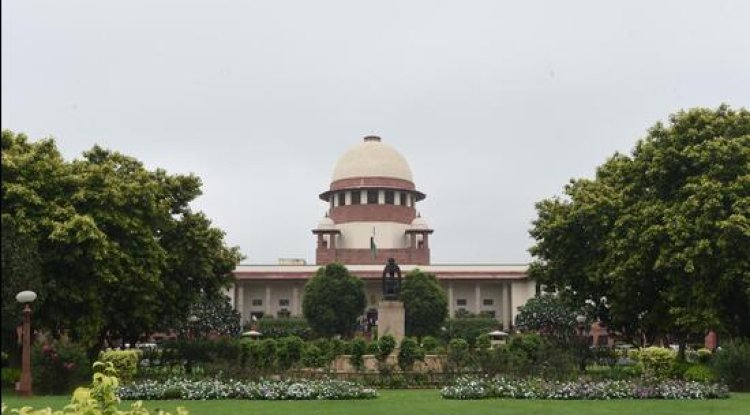
Decisions from lower courts can be appealed in the higher courts, usually starting from District Courts to the High Court, and then to the Supreme Court of India if required.
Alternative Dispute Resolution (ADR)
Delhi courts encourage ADR methods like mediation and arbitration to resolve disputes outside the traditional courtroom, saving time and resources.
Important Legal Institutions in Delhi
-
Delhi State Legal Services Authority (DSLSA): Provides free legal aid and advice to eligible citizens.
-
Bar Council of Delhi: Regulates lawyers practicing in Delhi.
-
Public Prosecutor’s Office: Handles criminal prosecutions on behalf of the state.
FAQs About the Legal System in Delhi
Q1: What is the role of the Delhi High Court?
A: The Delhi High Court is the highest judicial authority in Delhi, handling appeals and constitutional matters.
Q2: How do I file a consumer complaint in Delhi?
A: You can file a complaint at the Consumer Court or online through the National Consumer Helpline portal.
Q3: What types of cases do District Courts handle?
A: District Courts handle both civil and criminal cases within their territorial limits.
Q4: Can I represent myself in Delhi courts?
A: Yes, a person can represent themselves, but hiring a lawyer is recommended for complex cases.
Q5: Are there fast-track courts in Delhi?
A: Yes, Delhi has fast-track courts for speedy disposal of specific cases like women and child-related offenses.
Conclusion
Understanding the legal system in Delhi is essential for accessing justice effectively. Knowing the hierarchy of courts, their jurisdictions, and legal procedures empowers citizens to take informed decisions when dealing with legal matters. Whether you are filing a complaint, attending a hearing, or seeking legal aid, this knowledge forms the foundation for a smooth legal journey in Delhi.