Understanding the Juvenile Justice System in India: Protecting the Rights of Young Offenders
Understand the Juvenile Justice System in India. Get expert legal help from a top criminal advocate in Delhi. Call or WhatsApp +91-8100007400. Available 24/7.
Need an Advocate in Delhi?
Get connected for legal assistance regarding your matter.
Speak with an Advocate • Multiple Languages Supported
India's Juvenile Justice System : Advocate in Delhi
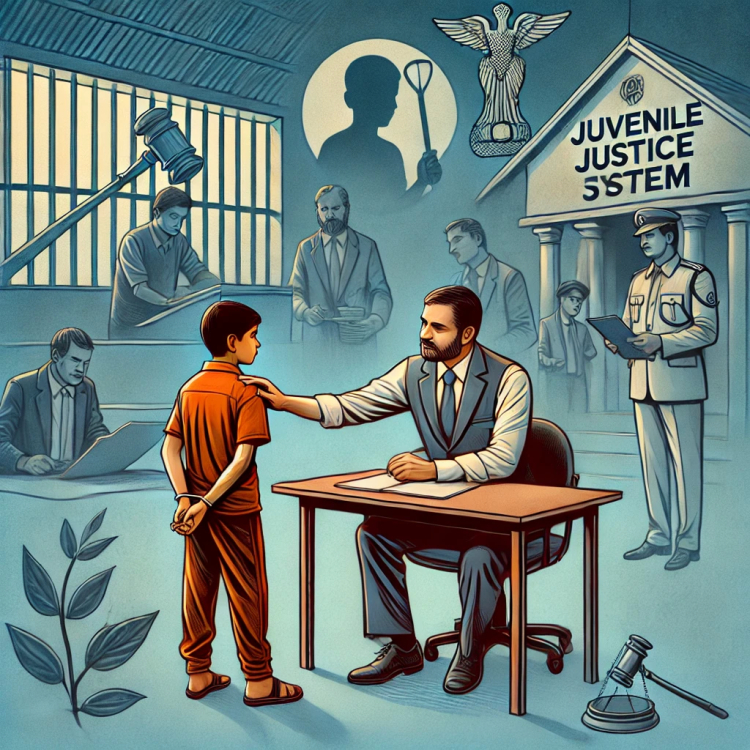
The Juvenile Justice System in India is established to ensure the protection and rehabilitation of children in conflict with the law. Unlike adult offenders, the system focuses on reform rather than punishment. Governed by the Juvenile Justice (Care and Protection of Children) Act, 2015, it guarantees fair treatment of juveniles while balancing the interests of justice.
Juvenile Justice System in India
The Juvenile Justice System in India deals with crimes committed by individuals below 18 years of age. The system is rehabilitative and reformative rather than punitive. Its key objectives include:
-
Care, protection, and rehabilitation of juveniles.
-
Legal assistance to juveniles through representation and fair trials.
-
Counseling, vocational training, and education to encourage positive change.
Types of Cases Under the Juvenile Justice System
The Juvenile Justice System in India categorizes offenses into different types:
-
Petty Crimes: Minor offenses such as trespassing or petty theft.
-
Serious Crimes: Offenses like burglary or assault.
-
Most Heinous Crimes: Crimes such as rape, murder, or grievous hurt where juveniles (16-18 years) may be tried as adults under the 2015 amendment.
-
Neglect and Abandonment: Cases involving children found unattended or in hazardous situations.
-
Child Trafficking and Exploitation: Cases related to child labor, trafficking, and sexual exploitation.
IPC (Indian Panel Code) Provisions for Juvenile Cases
-
Section 82 IPC: A child below 7 years is incapable of committing a crime.
-
Section 83 IPC: A child between 7 to 12 years can be held liable only if he/she attains sufficient maturity.
-
POCSO Act, 2012: Deals with sexual offenses against minors.
-
Juvenile Justice (Care and Protection) Act, 2015: Covers all legal processes related to juvenile offenders.
-
Section 304 IPC: Applies to involuntary manslaughter involving juveniles.
-
Section 302 IPC: In murder cases, juveniles aged 16-18 years may be tried as adults.
Documents Required for Juvenile Cases
To file or defend a juvenile case, the following documents are necessary:
-
Birth Certificate (proof of juvenile’s age)
-
School Records (if birth certificate is unavailable)
-
Police FIR and Charge Sheet (if applicable)
-
Medical and Psychological Reports (if required by the court)
-
Aadhar Card or Identity Proof
-
Proof of Legal Guardianship
-
Bail Application (if seeking bail for the juvenile)
-
Witness Statements and Evidence
Legal Specifications and Required Expertise
A lawyer practicing juvenile justice cases in Delhi should ideally possess:
-
Expertise in Juvenile Justice Act, 2015.
-
Membership in the Bar Council of India.
-
Experience in IPC and POCSO matters.
-
Familiarity with Child Welfare Committees (CWC) and Juvenile Justice Boards (JJB).
-
Negotiation and counseling skills, as rehabilitation is the focus.
Common Queries About Juvenile Justice in India
1. Can a juvenile be jailed in India?
Juveniles are placed in rehabilitation homes, not jails. However, for heinous crimes (murder, rape) committed by juveniles aged 16-18 years, they may be tried as adults.
2. What happens in serious juvenile crimes?
The Juvenile Justice Board (JJB) examines the case. If found guilty, the juvenile is sent to a special home for reform.
3. Can parents defend their child in a juvenile case?
Yes, but hiring an experienced criminal advocate is advisable for the best legal advantage.
4. What is the maximum punishment for a juvenile?
A juvenile may be housed in a reformatory home for a maximum of 3 years. If tried as an adult, punishment will be per IPC provisions.
5. How to file a juvenile case?
A juvenile case can be filed by a lawyer under JJB jurisdiction.
6. Is bail available for minors?
Yes, bail is usually granted in juvenile cases, except for heinous crimes.