Summer Dress Code Relaxation for Lawyers: Black Coats Optional
In response to extreme summer heat, several Indian courts have relaxed the dress code for advocates, making black coats optional during specific months to ensure health and comfort.

Need an Advocate in Delhi?
Get connected for legal assistance regarding your matter.
Speak with an Advocate • Multiple Languages Supported
Understanding the Traditional Dress Code
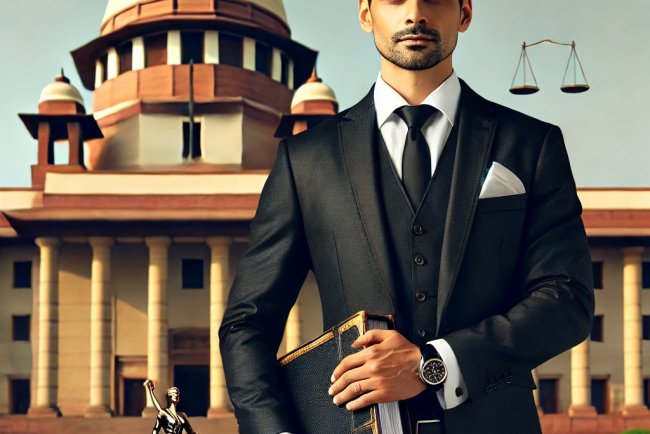
The Advocates Act of 1961 empowers the Bar Council of India (BCI) to prescribe dress codes for lawyers, considering climatic conditions. Traditionally, male advocates are required to wear a white shirt, black trousers, a black coat, and a white neckband. Female advocates have similar requirements, with options including sarees or salwar-kameez in specified colors, accompanied by a black coat and white bands.
Recent Relaxations Across Indian Courts
Delhi
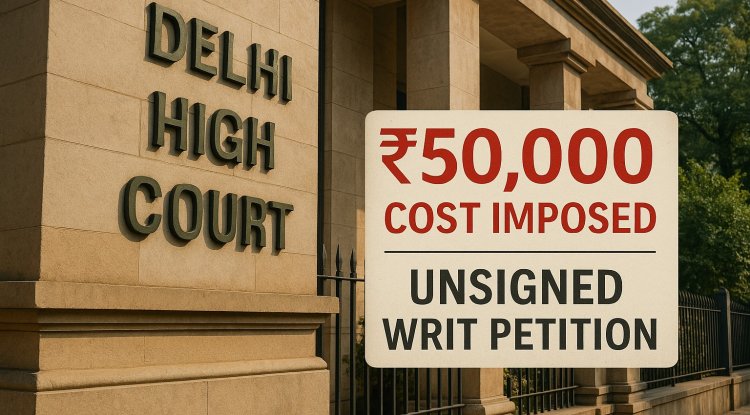
The Delhi Bar Association issued a notice exempting advocates from wearing black coats in district courts from May 16 to September 30. The decision, signed by Secretary Vikas Goyal, allows lawyers to appear in courts without black coats, provided they adhere to other mandatory attire such as a white shirt, black trousers, and a white neckband. This measure addresses health concerns arising from extreme heat and non-air-conditioned courtrooms.
Maharashtra and Goa
The Bar Council of Maharashtra and Goa extended the exemption period for black coats from March 1 to June 30, acknowledging the increasingly harsh summers. Previously, the exemption was limited to May and June.
Kerala
The Kerala High Court relaxed the dress code for advocates during the summer season, making the wearing of gowns optional in the High Court and both black coats and gowns optional in district courts until May 31. This decision followed requests from the Kerala High Court Advocates' Association, citing unprecedented summer heat.
Karnataka
Responding to appeals from the Advocates' Association of Bengaluru and the Karnataka State Bar Council, the Karnataka High Court exempted advocates in district and trial courts from wearing black coats between March 15 and May 31. Advocates are still required to wear white shirts and white bands during court proceedings.
Tamil Nadu
The Madras High Court made wearing black gowns optional for advocates between April 1 and June 30 annually, following a request from the Madras Bar Association due to summer heat. However, wearing a black coat and white collar band remains mandatory.
Supreme Court's Stance
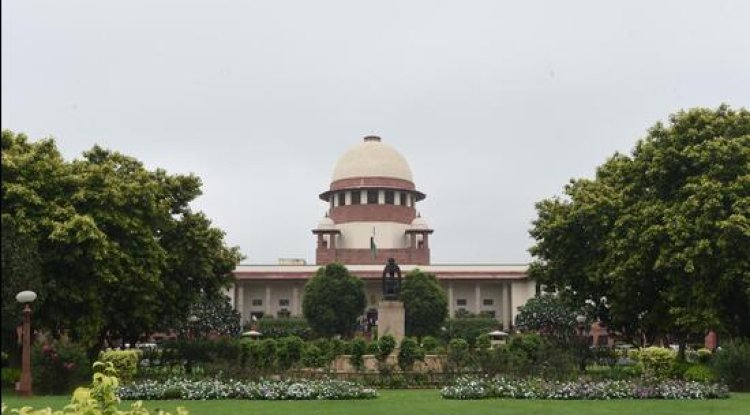
In September 2024, the Supreme Court declined to entertain a Public Interest Litigation seeking exemption for lawyers from wearing black coats and gowns during summer. The bench emphasized the importance of maintaining court decorum and suggested that such matters be addressed by the Bar Council of India and respective state bar councils.
Legal Provisions for Dress Code Adjustments
Section 49(1)(gg) of the Advocates Act, 1961, authorizes the BCI to make rules regarding the dress code for advocates, considering climatic conditions. This provision allows for flexibility in attire to ensure the well-being of legal professionals during extreme weather conditions
FAQs
Q1: Are lawyers completely exempt from wearing formal attire during summer?
A: No, while black coats may be optional during specified summer months in certain jurisdictions, other elements of the formal dress code, such as white shirts, black trousers, and white neckbands, remain mandatory
Q2: Does this exemption apply to all courts across India?
A: No, the exemption varies by jurisdiction. While several state courts and bar associations have implemented relaxations, the Supreme Court and some High Courts maintain traditional dress code requirements.
Q3: What is the rationale behind this dress code relaxation?
A: The primary reason is to safeguard the health of advocates during extreme summer heat, especially in courtrooms lacking adequate air conditioning, thereby preventing heat-related illnesses and ensuring efficient functioning.
Q4: How long is this exemption in effect?
A: The duration varies by jurisdiction. For instance, in Delhi, the exemption spans from May 16 to September 30, while in Maharashtra and Goa, it extends from March 1 to June 30.
Q5: Can the dress code be relaxed in the future?
A: Yes, under Section 49(1)(gg) of the Advocates Act, the Bar Council of India has the authority to modify dress code rules, considering climatic conditions and other relevant factors.