Freedom of Expression and the Indian Legal System
Freedom of Speech in India – Understand constitutional rights, legal boundaries, IPC sections, and expert legal assistance from top advocates in Delhi.
Need an Advocate in Delhi?
Get connected for legal assistance regarding your matter.
Speak with an Advocate • Multiple Languages Supported
Freedom of Speech and the Indian Legal System
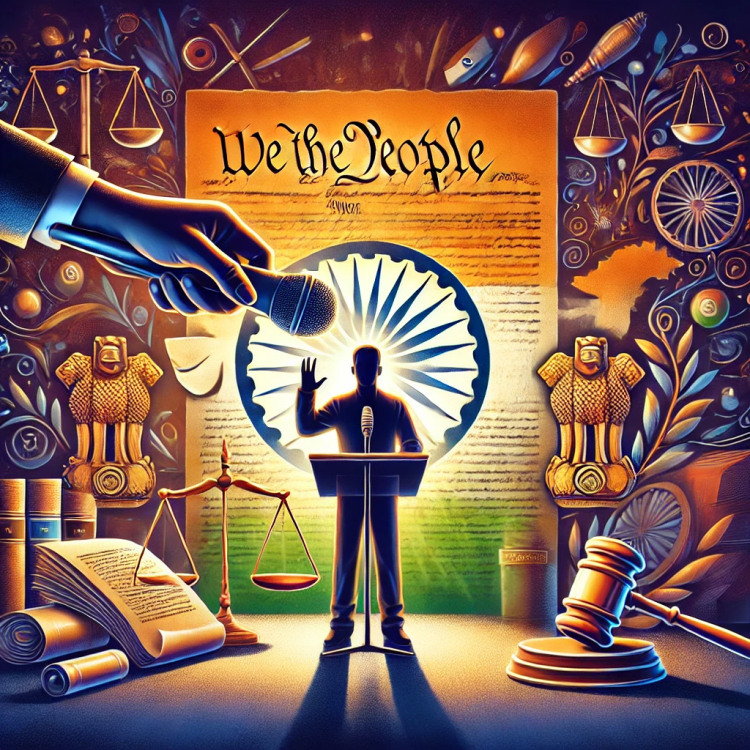
Freedom of Speech constitutes a basic tenet of the Indian Constitution, according to which every citizen is allowed to express thoughts and opinions through ideas without fear of pre-censorship and punishment. This right, however, is not absolute and is subject to reasonable restrictions set under the law. Legal knowledge is important among individuals, journalists, and activists within businesses when exercising their rights responsibly.
At our legal practice in the capital of India, we have in place the best Advocates in Delhi, providing thorough legal assistance on matters related to freedom of expression. A comprehensive analysis of legal frameworks ensures that our clients' rights can be defended within the legal framework.
Freedom of Speech in India
The right to freedom of expression is protected under Article 19(1) of the Indian Constitution. Article 19(2), on the other hand, provides for reasonable restrictions that the government can impose on this freedom in matters related to:
-
Sovereignty and integrity of India
-
Security of the state
-
Friendly relations with foreign countries
-
Public order
-
Decency or morality
-
Contempt of court
-
Defamation
-
Incitement to an offense
Understanding these restrictions assists in determining how individuals can exercise their rights without facing legal consequences while sharing their opinions.
Types of Cases Under Freedom of Expression
There are a number of legal issues that arise concerning freedom of expression in India, including:
-
Defamation (Civil and Criminal) – False statements that derogate a person (Sections 499 and 500 IPC).
-
Hate Speech Cases – Statements that incite violence or promote enmity (Sections 153A, 295A IPC).
-
Sedition (Section 124A IPC) – Speech or action that incites rebellion against the government.
-
Contempt of Court – Statements that scandalize or reduce the authority of the judiciary.
-
Censorship and Discriminatory Violations of Media Laws – Restrictions against press freedom and online content.
-
Social Media Violations – Misuse of digital platforms leading to criminal cases.
-
Publishing Obscene Content – (Section 67 IT Act, Section 292 IPC) – Publishing offensive material.
Relevant IPC Sections and Legal Provisions
Among several laws governing freedom of expression are:
-
Section 499-500 IPC – Defamation (punishment includes fine or imprisonment)
-
Section 124A IPC – Sedition law (currently undergoing review)
-
Section 153A IPC – Promoting enmity between different groups
-
Section 295A IPC – Intent to outrage religious feelings
-
Section 66A IT Act – Punishes offensive online content (Struck down by Supreme Court in 2015)
-
Press and Registration of Books Act, 1867 – Governs the press and publications.
-
Official Secrets Act, 1923 – Restricts disclosure of classified government information.
Required Documents for Legal Litigation in Freedom of Expression
For filing and defending cases related to freedom of expression, the following documents may be required:
-
Copy of Complaint or FIR (if applicable)
-
Identity Proof (Aadhar, PAN, Passport)
-
Digital Evidence (Screenshots, videos, links for social media cases)
-
Newspaper Articles or Publications (For defamation or media law cases)
-
Witness Statements
-
Legal Notices (if any sent or received)
-
Police Reports or Investigations (if applicable)
Legal Certification and Expertise Required
Freedom of expression cases require expertise in constitutional law, cyber law, and media law. Our civil lawyers in Delhi specialize in:
-
Constitutional Law
-
Defamation Law
-
Cyber Law (IT Act, 2000)
-
Human Rights Law
-
Media Laws and Publication Rights
Our law firm in Delhi provides expert legal consultation, case representation, and 24/7 legal assistance to ensure justice.
FAQs on Freedom of Speech and Legal Matters
1. Can I be arrested for freedom of opinion on the internet?
Yes, if the content violates Indian laws by inciting violence, defamation, or hate speech, legal action can be taken.
2. Is defamation a criminal offense in India?
Defamation in India is both a civil and criminal offense. A person may file a civil lawsuit for damages or a criminal complaint under Section 499-500 IPC.
3. Can the government impose censorship on media?
Yes, under certain conditions like national security and public order, the government can censor print, electronic, and digital media.
4. How can I defend myself in a freedom of expression case?
Hiring an expert civil lawyer in Delhi can help navigate the legal system and present a strong defense based on constitutional rights and precedents.
5. What should I do if I receive a legal notice for defamation?
Consult an advocate in Delhi immediately to analyze the notice and prepare a legal response. Timely action is crucial to avoid escalation.