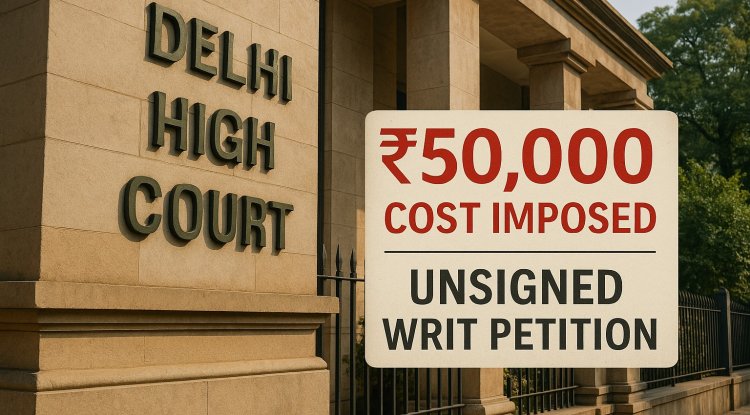
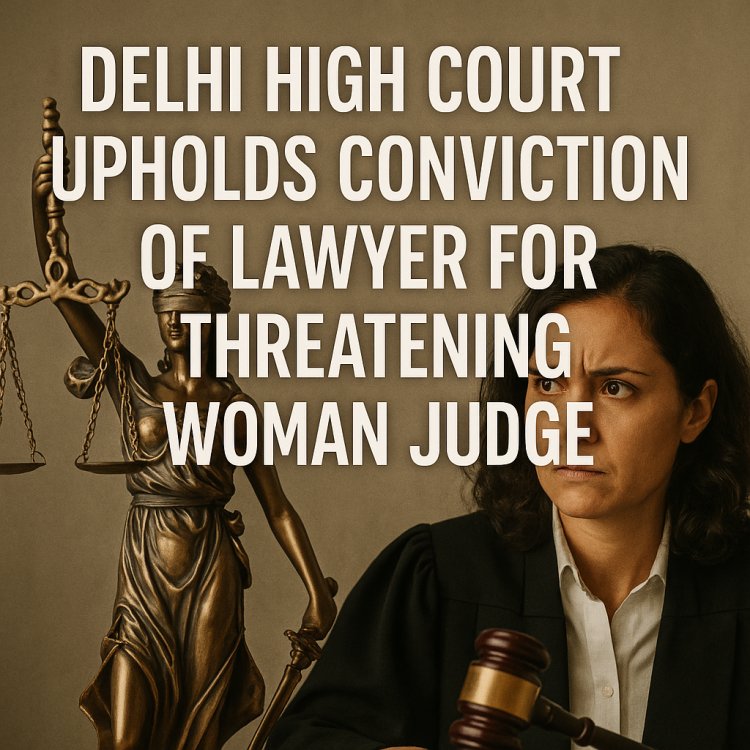
Delhi High Court Upholds Conviction of Lawyer for Threatening Woman Judge
Delhi High Court upholds the conviction of a lawyer who used obscene language and threatened a woman judge. Read the full story and legal implications.
Need an Advocate in Delhi?
Get connected for legal assistance regarding your matter.
Speak with an Advocate • Multiple Languages Supported
The Incident That Sparked Outrage
The case stems from an incident where a practicing lawyer allegedly verbally abused and threatened a woman judge during a court hearing. According to the case files, the lawyer launched a tirade filled with profanity and obscene remarks, directed not only at the judge’s legal decisions but also at her personally. He was also accused of intimidating the judge, making statements that implied physical harm and disrepute.
The woman judge, shaken by the experience, promptly lodged a complaint with the appropriate judicial authorities. The court staff and several lawyers present in the courtroom confirmed the behavior, leading to swift disciplinary and legal action.
Lower Court Conviction and Appeal
The trial court convicted the lawyer under several sections of the Indian Penal Code (IPC), including:
-
Section 228 (intentional insult or interruption to a public servant sitting in judicial proceeding)
-
Section 506 (criminal intimidation)
-
Section 509 (word, gesture or act intended to insult the modesty of a woman)
The lawyer, however, appealed to the Delhi High Court, challenging the conviction on the grounds of procedural lapses and claiming he had been denied a fair trial.
Delhi High Court’s Verdict
After reviewing the evidence, witness testimonies, and arguments from both sides, the Delhi High Court upheld the conviction. The court stated that the behavior displayed by the accused was “a serious breach of courtroom decorum” and “an assault on the dignity of the judiciary.”
Justice [Name withheld in sample] noted in the judgment:
"Threatening a judge in the line of duty is not just a personal insult—it is an attack on the judicial system itself. The legal profession must uphold the highest ethical standards, and this kind of behavior can never be tolerated."
The court also dismissed claims of procedural irregularities, confirming that due process was followed at every stage of the trial.
Legal and Professional Implications
This case marks a rare but crucial instance where a lawyer was held criminally liable for misconduct against a judge. Legal experts suggest that the verdict could set a strong precedent for future cases involving intimidation or abuse of judicial officers.
In addition to the criminal conviction, the Bar Council of Delhi is expected to initiate disciplinary proceedings, which may lead to suspension or cancellation of the lawyer’s license.
Impact on Judicial Independence
The verdict has been welcomed by judicial associations and legal professionals. Many have expressed concern over the increasing incidents of disrespectful behavior towards judges, especially women judges, who often face gender-based abuse and threats.
This ruling affirms that the judiciary must be allowed to function independently and without fear, and that any act aimed at undermining that freedom will be met with the full force of the law.
Safeguarding Women in the Judiciary
This case also highlights the specific challenges faced by women in the judiciary. Verbal abuse laced with misogyny and threats often goes unreported due to fear of backlash or institutional inertia. The strong stance taken by the courts in this case sends a clear message—gender-based abuse of any kind will not be tolerated.
Conclusion
The Delhi High Court’s ruling is not just about upholding a conviction—it’s about preserving the sanctity of the judiciary, reinforcing the importance of ethical conduct in the legal profession, and standing in solidarity with women in law. Lawyers are officers of the court and must behave accordingly. When they cross the line, the law will respond—firmly and fairly.
FAQs
1. What was the lawyer convicted of in this case?
The lawyer was convicted for criminal intimidation, insulting the modesty of a woman, and interrupting judicial proceedings.
2. Did the Delhi High Court uphold the entire conviction?
Yes, the High Court upheld the lower court’s decision, confirming the lawyer's guilt based on strong evidence and witness accounts.
3. Can the lawyer appeal this decision further?
Yes, he may file a special leave petition in the Supreme Court, but the High Court's ruling carries strong legal reasoning that may be difficult to overturn.
4. Will the lawyer lose his license to practice?
It’s possible. The Bar Council of Delhi may take disciplinary action, including suspension or revocation of his license.
5. What does this mean for women judges in India?
It sets an important precedent that abuse and threats—especially those rooted in gender—will be dealt with seriously by the legal system.